As many of you know, I observe politics and occasionally participate, though I’m no expert. Like others, I’ve followed political and social events in my country for years. So when Elon Musk started voicing views that sounded familiar, I paid closer attention.
Historically, I saw him as a brilliant tech figure but never considered his political opinions significant—if anything, I assumed he was a liberal. But in recent years, his views shifted dramatically, which caught my interest. Then, when he took over Twitter, everything changed. Almost overnight, non-liberal voices gained a platform like never before.
I recall discussing Musk’s shift with progressive friends. Their initial dismay turned to hostility, even hatred. I wasn’t alone in noticing this reaction. A conservative friend put it bluntly: “They’re just mad they lost him. They didn’t see it coming.” Frankly, neither did we on the right. But his rightward shift set in motion a political momentum that proved decisive in 2024, helping propel Donald Trump back into the White House and reshaping American politics in a way not seen in years.
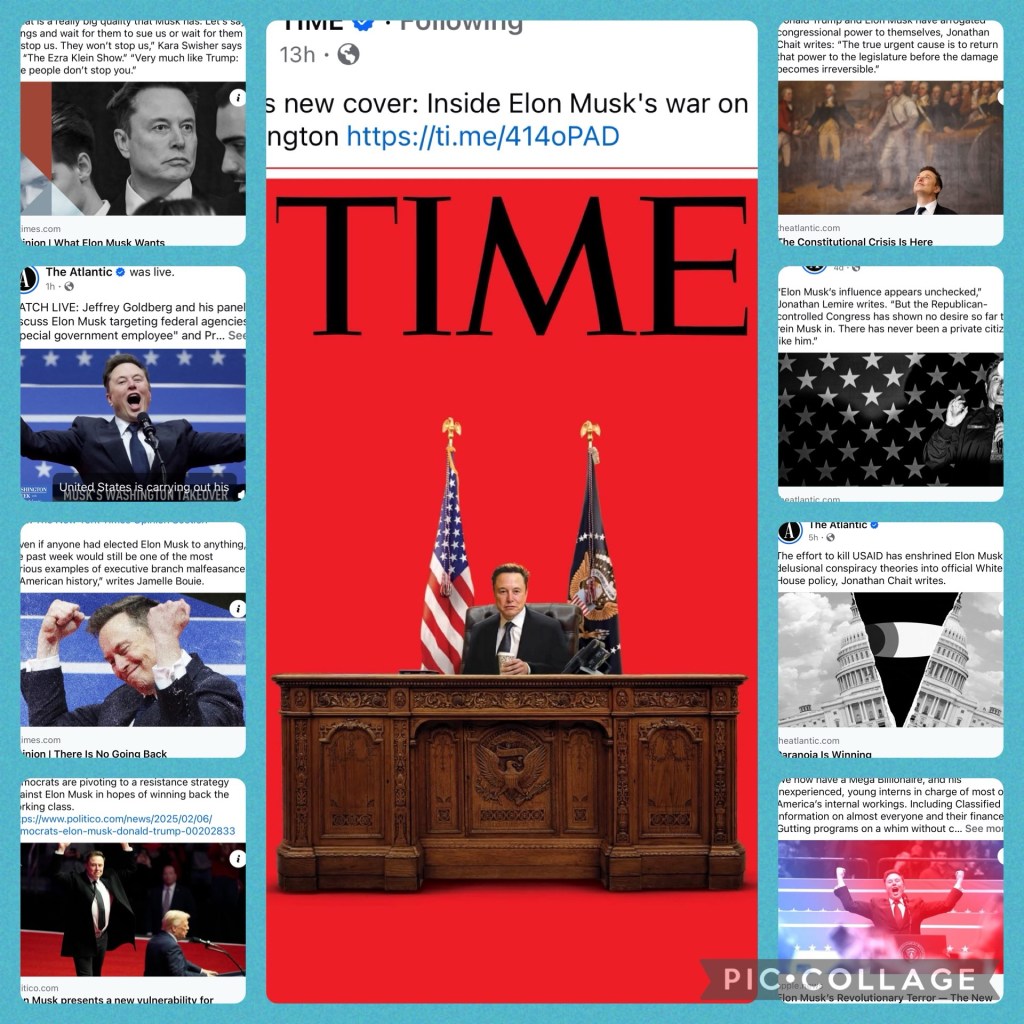
Musk’s recent actions, along with his involvement with DOGE, have sparked a storm of controversy and widespread hostility toward him. This backlash, primarily from liberals and progressives, stands in sharp contrast to their past attitude toward Musk. Curious about this shift, I decided to explore it further.
————————————————————————
From Darling to Devil: The Rise and Fall of Elon Musk in the Liberal Consciousness
The Visionary Who Won Over Progressives
For years, Elon Musk was a rare breed: a billionaire who seemed to align with progressive values. He wasn’t an oil executive resisting climate action or a Wall Street mogul obsessed with financial speculation. Instead, he was the face of Tesla, a company leading the charge against fossil fuels, and SpaceX, a company making space exploration feel like a shared human endeavor rather than a government project.
Musk’s public statements reinforced this image. He championed carbon taxes, invested in solar energy, and even floated the idea of universal basic income. He wasn’t just an entrepreneur; he was an innovator who promised to use technology to solve humanity’s greatest challenges. To many liberals, Musk represented the kind of capitalism they could embrace one that wasn’t just about profits but about progress.
But in recent years, that perception has drastically changed. Instead of being hailed as a climate warrior and tech visionary, Musk is now viewed by many progressives as a provocateur who amplifies right-wing rhetoric, dismantles social media safeguards, and engages in culture wars. What happened?
A Sudden Political Transformation?
Musk’s political shift didn’t happen overnight, but it became impossible to ignore in 2022 when he announced that he would vote Republican, called Democrats the party of division and hate, and began openly criticizing progressive causes. His growing disdain for a “wokeness” and his use of the term “woke mind viruses” placed him squarely in the culture war debates that have become a rallying cry for conservatives.
His words were soon backed by action. After acquiring Twitter (now X), Musk rolled back content moderation policies that were originally implemented to curb misinformation and hate speech. He reinstated banned right-wing figures, including Donald Trump, and frequently engaged with controversial political commentators. Critics argued that his vision of free speech seemed to disproportionately favor voices that had previously been de-platformed for spreading harmful rhetoric.
The shift wasn’t just ideological it had tangible consequences. Hate speech on Twitter surged under Musk’s leadership, according to studies from watchdog groups. Although, that claim is inconclusive and subjective, many on the left believe it to be true. As a result, major advertisers pulled their funding, concerned about brand safety, and Musk himself became increasingly combative with journalists who covered his decisions unfavorably.
The Tesla and Labor Divide
Even before Musk’s foray into politics, tensions had been brewing between him and progressive labor advocates. While Tesla’s electric vehicles made Musk a champion of green energy, his stance on unions put him at odds with the labor movement. He aggressively fought unionization efforts at Tesla factories, faced lawsuits over unsafe working conditions, and was accused of retaliating against employees who attempted to organize.
For many progressives, this was a turning point. Fighting climate change is a core liberal value, but so is supporting workers rights. The idea that Musk was a benevolent innovator began to erode as allegations of racial discrimination, long work hours, and anti-union practices surfaced at Tesla.
Conspiracies and Controversies
Musk’s increasing presence on social media has only deepened his rift with progressives. He has engaged with conspiracy theories, casting doubt on the attack against Paul Pelosi, amplifying COVID-19 misinformation, and questioning the integrity of mainstream media. His own platform, X, has become a hub for controversial figures, further alienating those who once admired him as a pragmatic technologist rather than a political ideologue.
Many critics now see him as a contradiction. He benefited from government subsidies for Tesla and SpaceX but frequently rails against government spending. He calls himself a free speech absolutist but has banned journalists who reported critically on him. He once seemed above partisan politics but now actively engages in online battles that fuel political polarization.
What Comes Next for Musk?
Musk’s transformation raises a broader question: is this shift permanent, or is there a path back to the progressive admiration he once enjoyed?
One possibility is that Musk continues doubling down on his newfound political alliances, solidifying a base among conservatives while permanently losing favor with the left. His recent endorsements of Republican politicians suggest this could be the path he’s on.
Another scenario is a course correction. If Tesla and SpaceX face financial or repetitional risks due to Musk’s behavior, he may dial back the political provocations and refocus on the innovations that once defined him. His pragmatism as a business leader could outweigh his personal ideology.
A third and perhaps most likely a possibility is that Musk simply continues to be unpredictable, embracing controversy and attention, regardless of whether it alienates one political group or another. His appeal has always been rooted in defying expectations, and that unpredictability may remain his defining trait.
Conclusion: A Cautionary Tale for Both Sides
Elon Musk’s rise and fall in the liberal consciousness is more than just a story about one man it’s a reflection of the broader cultural and political tensions that define our era. Tech leaders were once seen as apolitical problem solvers, but as their influence has grown, they have increasingly become polarizing figures.
For progressives who once saw Musk as a force for good, his transformation is a disappointment. For conservatives, his shift represents a rare high-profile defection from the tech elite a validation of their frustrations with woke institutions and censorship. But they, too, should be wary of their new ally.
Musk’s track record suggests that he is not motivated by a deep commitment to conservative values, the U.S. Constitution, or the long-term interests of everyday Americans. His political leanings have shifted multiple times, and his actions often prioritize personal gain, corporate power, or the pursuit of attention over ideological consistency. Today, he is a hero to the right because he fights against progressives and legacy media. But if circumstances change if government policies, financial incentives, or even his own impulses shift he could just as easily change course again.
The real lesson of Elon Musk’s political journey is that billionaires, no matter how charismatic or seemingly aligned with a movement, do not answer to the people. They answer to their own ambitions. Those celebrating Musk today might find themselves his next target tomorrow.
What are your thoughts on Musk, DOGE, and the future of the country? Are you concerned, not concerned, happy about the direction we’re going? Not happy about the direction we’re going in? Let me know.
Jim
 Jim Sullivan